

Tom Pearson: The Fairway’s Storyteller
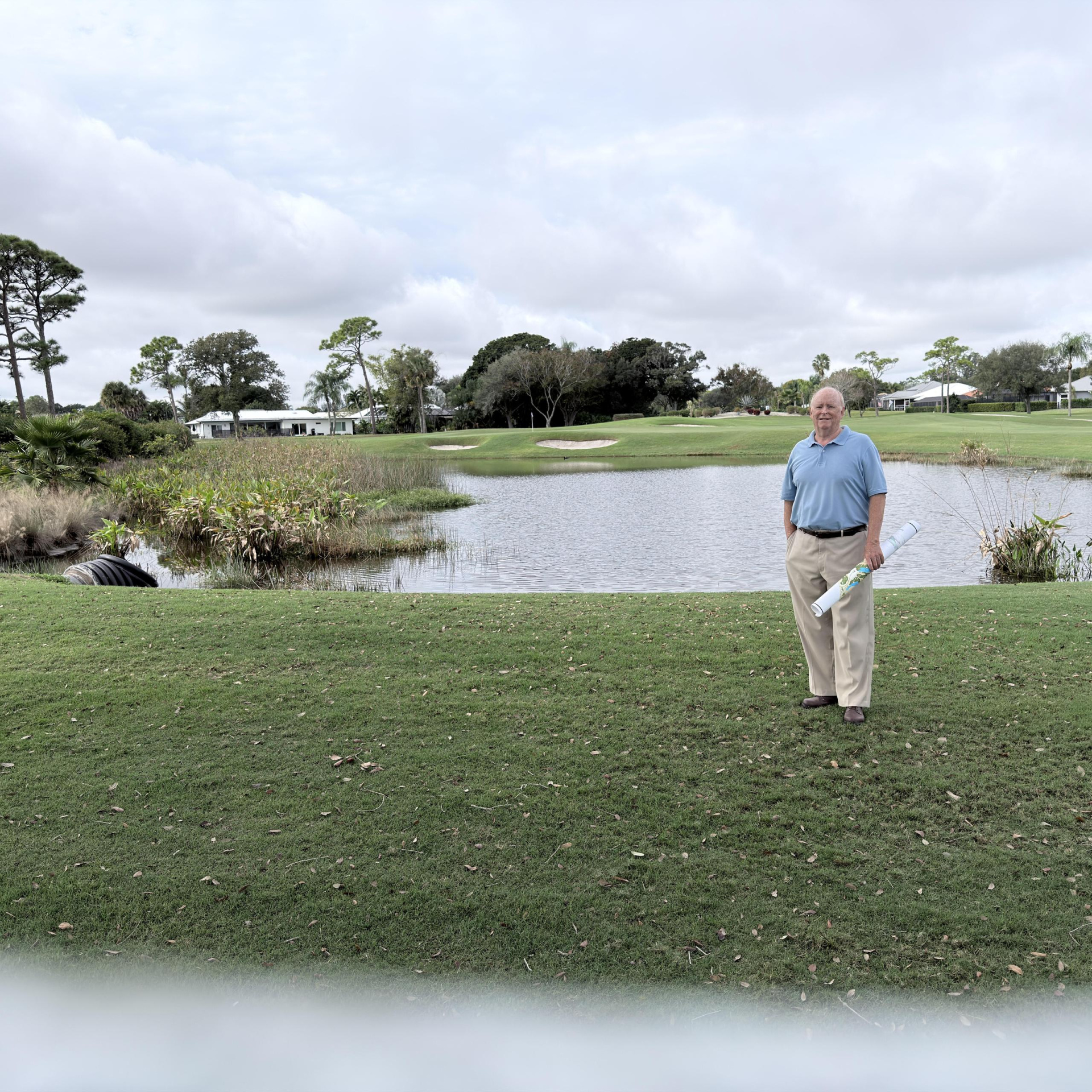
Tom Pearson, a designer who has spent more than half a century listening to the land and turning its stories into fairways.

Tom Pearson steps onto a piece of untouched land not to impose his will, but to listen. For more than half a century, he has approached golf with a passion for reading the landscape and understanding how people interact with nature. From his early days as the Senior Design Associate for Jack Nicklaus to his later international projects, he has remained true to one belief: nature is always the first storyteller. When he arrived in Vietnam, Tom realized that its terrain possesses a distinct identity, strong enough to shape some of Asia’s most iconic golf courses. To him, golf course design is not just architecture; it is the art of giving voice to the land.
What first drew you to golf, and when did you realize that design, rather than competitive play was your true path?
When I was very young, I started playing golf on a small 9-hole golf course. Even though I enjoyed the game, I wondered why the features of the golf holes were where they were located. I then was introduced to the profession of golf course design. My creative nature took me the direction of designing golf courses.
How did your time at Nicklaus Design shape your design philosophy and approach?
Before I worked for Mr. Jack Nicklaus, I was employed on the construction of a golf course designed by Robert VonHagge, an American golf course designer. My experience with Mr. Von Hagge taught me what involves constructing a golf course. After working with Mr. VonHagge, I worked for a land planning company where I learned how to intermix the design of a golf course with housing and other parts of a development.
This information was very valuable when I started working with Mr. Nicklaus. Having spent most of my golf course design years with Mr. Nicklaus, the most important part of design I learned is the value of good “strategy design” of a golf course. Strategy design is the knowledge of where to locate tees, bunkers, fairways and green design details. Most golfers do not realize how important the strategy of a golf course is. But they know if they like a golf course or not. Usually, a great golf course will have good strategy design.
When you step onto a pristine site, what is the first thing you look for to understand the “story” that the land wants to tell?
I don’t look for anything special when I visit a site for the first time. But I guess I am looking for a site that will be easy to construct a golf course on. I can invision a golf hole in my mind and get excited about building it. But my first thoughts are asking if we can build a golf course at a low cost while working with the existing land movement.
In your career, has there ever been a piece of terrain that made you completely rethink your design because nature had already suggested a different direction?
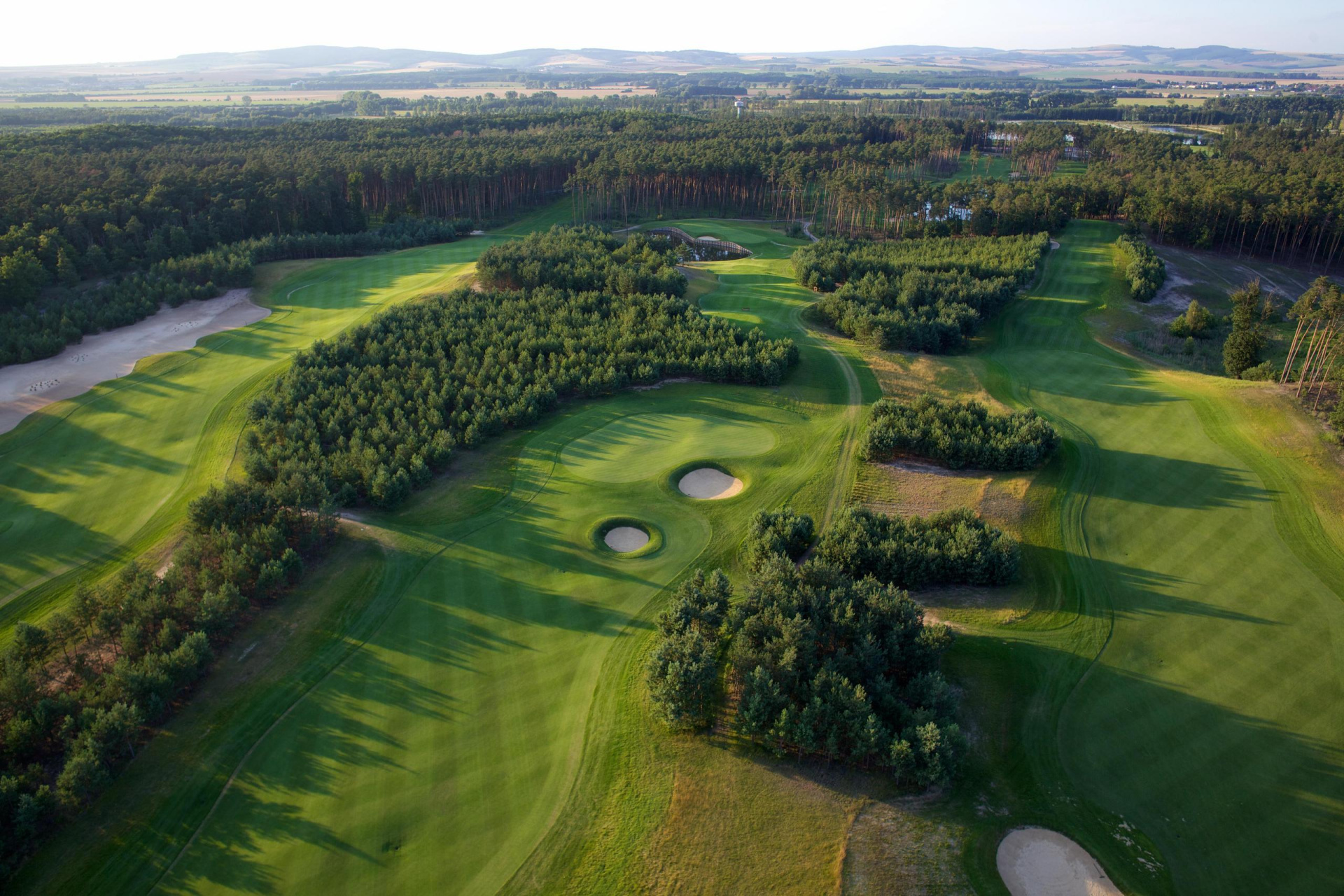
Because I design to the existing land, I have never changed design philosophies. It sounds funny, but I let the land tell me where to place the golf holes. Then I include good strategy design to make the best golf course the site will allow.
In your view, what defines a truly beautiful golf course one that is memorable, enjoyable to play, and compelling enough to return to?
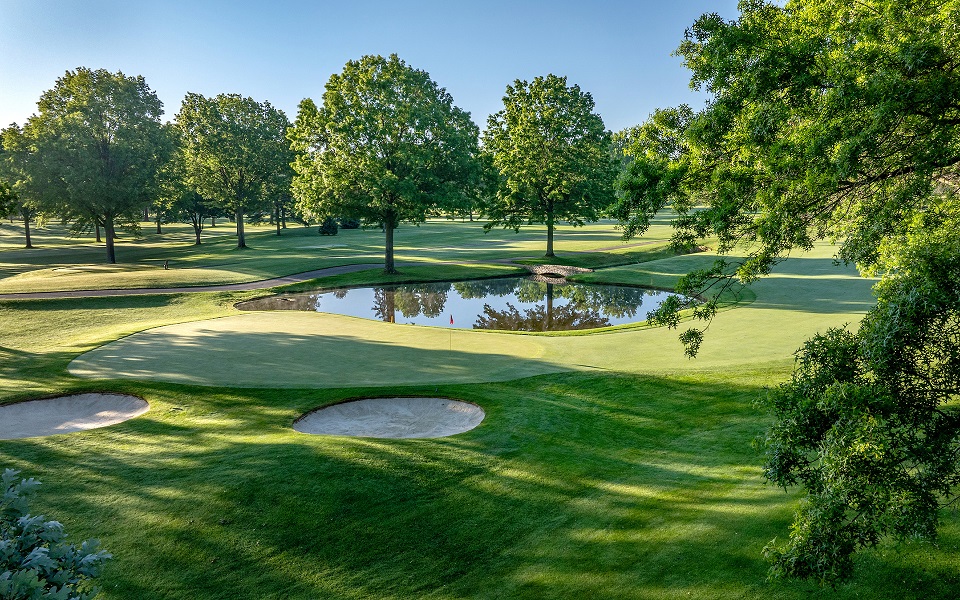
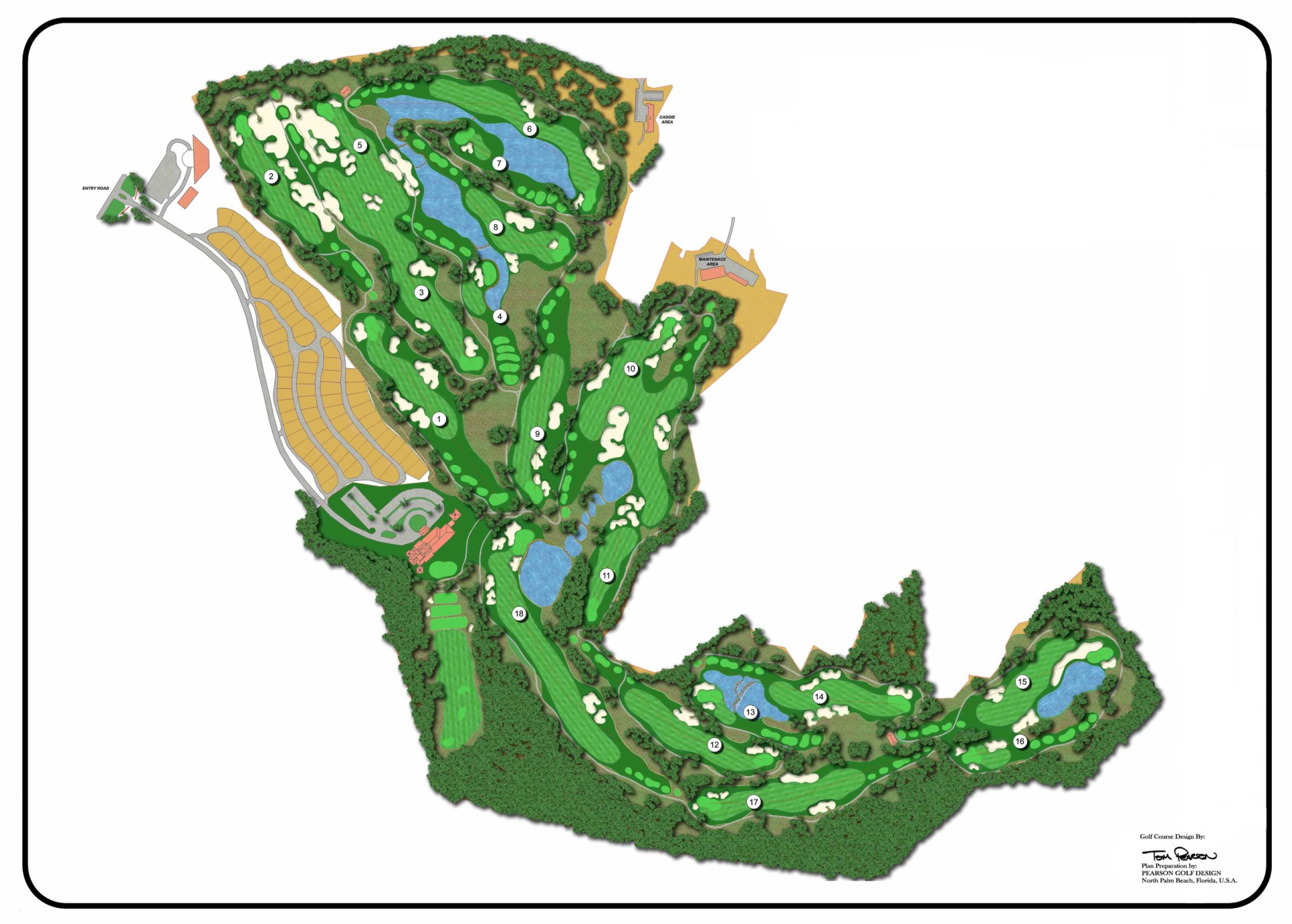
A beautiful golf course usually includes water, existing trees, great views of the golf course and distant views of the area around the development. A golf course is enjoyable to play when there are not too many bunkers, short carries over water and having wide fairways. However, some clients insist the golf course be difficult and long. Then my job is to design several options to play a golf hole so all skill levels of golfers can have fun.
Among the renowned courses you’ve designed, is there a small detail that few people notice but that holds the soul of the entire layout?
I hope golfers that play my courses consider them fair and enjoyable. The greatest complement I can receive is when a golfer cannot decide which hole they like the best. That means I succeeded with a good variety of designs to make all 18 holes memorable.
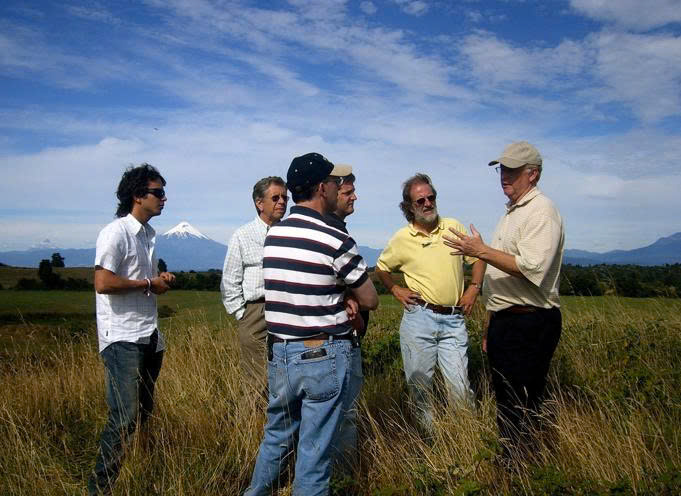
During your first survey in Vietnam, what convinced you that this country has the potential to create golf courses with a distinctly Asian identity?
The mountains in Vietnam are a distinct feature that creates a dramatic experience when playing golf. Also, the dune areas along the cost in southern Vietnam create a dramatic vision, like St Andrews in Scottland, the first golf course ever designed and built.
At Nui Coc National Golf Club, which natural feature made you feel that the layout already existed in nature and simply needed your “finishing strokes”?
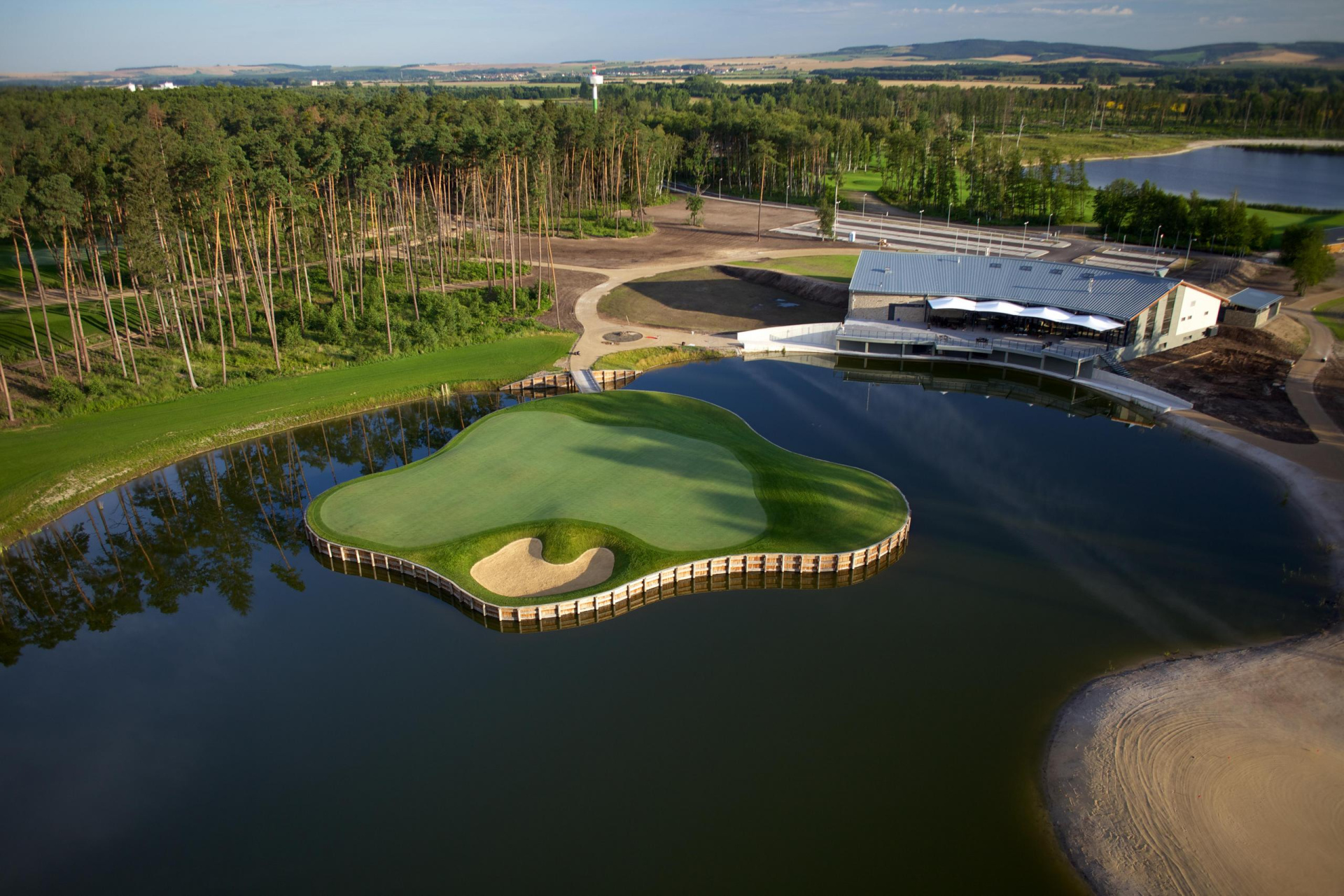
Nui Coc National Golf Club was a very severe site, and we had to reinvent the slopes. The challenge was to design the golf course, so the finished slopes looked like they were natural. We are also fortunate to have great views of Lake Nui Coc and the surrounding area.
How do you balance preserving natural character with creating engaging challenges for players?
All the features of my designs are located for a reason. My challenge is to find natural features that fit within my design criteria so I can use them to give the strategic design of a hole and its beauty. This is how I can preserve the natural character of the site.

Looking ahead to the new year, what goals do you have for your projects in Vietnam, and what wishes would you like to share with the Vietnamese golf community?
My goal is to design a few golf courses in Vietnam. I believe design quality is more important than trying to design as many golf courses as I can. This also gives my clients a unique ownership of one of only a few Tom Pearson golf course designs in Vietnam.
|
Profile
|
Source:
Doanh nghiệp/đối tác cung cấp
Other Articles

-cr-120x90.jpg)


Read it now
-cr-290x396.jpg)