

Andy Johnston: Redefining sustainable excellence at Sentosa Golf Club
For over a decade, Andy Johnston has steered Sentosa Golf Club to global prestige, blending world-class tournaments with bold sustainability initiatives that set new standards for golf in Asia.
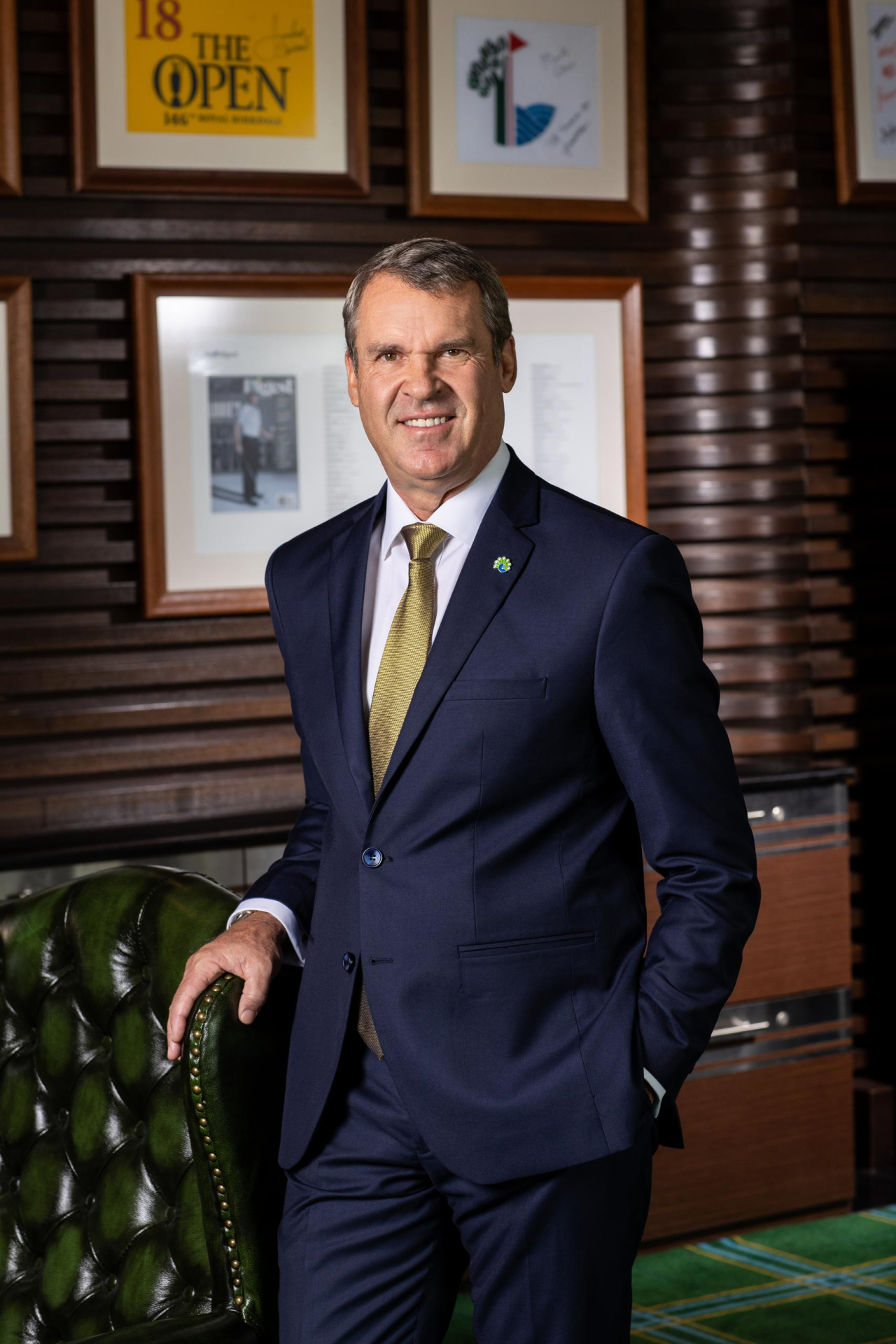
You’ve been with Sentosa Golf Club for quite some time now. What keeps you passionate about your work here after all these years?
It’s incredible how quickly time has passed. I first joined Sentosa Golf Club full-time in 2010, and by 2014, I had the privilege of becoming General Manager. Since then, the journey has been nothing short of extraordinary. Over the past 15 years, we’ve had no shortage of exciting projects, from redesigns and major tournaments to countless club events, and that constant energy has kept me fully engaged and motivated.
What makes it even more rewarding is the people. The membership has truly embraced me, making me feel like part of the family, and our colleagues are some of the most dedicated professionals I’ve ever worked alongside. Together, we share a mindset of striving to win every single day.
And of course, there’s the property itself. Sentosa is simply breathtaking, one of those rare places where you genuinely look forward to coming to work each morning. I know it sounds like a cliché, but it’s the truth. Along the way, we’ve hosted 26 televised events, earned recognition as the world’s most eco-friendly golf club three times, Asia’s most eco-friendly once, spent a decade ranked among the Platinum Clubs of the World, eight years in Golf Digest’s Top 100, and more than ten years as Singapore’s best course by multiple organizations. Those achievements reflect not just the club, but the spirit of the entire team.
Since Sentosa became the first golf club globally to sign the UN Sports for Climate Action Initiative in 2020, how has the club’s sustainability journey unfolded?
Signing the UN Sports for Climate Action Initiative was a bold step, and it’s one that set a clear direction for our future. It challenged us to be accountable, transparent, and ambitious in our sustainability goals. Since then, we’ve taken a holistic approach, not just focusing on the course itself, but also on operations, events, and community engagement. We’ve reduced our carbon footprint through renewable energy, transitioned to electric and hybrid machinery, eliminated single-use plastics, and launched biodiversity programs. Implemented a Biochar program, invested in Biodigesters for both food and horticulture waste, each year, we’re building momentum, and the recognition we’ve received internationally shows that golf can be both world-class and environmentally responsible.

Over the past five years, the club has introduced several key green initiatives, from lithium buggy fleets to hybrid turf equipment. In your view, which has been the most transformative in positioning Sentosa as the world’s most sustainable golf club?
While every initiative has contributed, I believe the shift to electric and hybrid turf equipment has been transformative. Golf course maintenance is traditionally energy-intensive, and by electrifying our fleet, we are significantly reducing emissions, noise pollution, and fuel dependency. It’s also a very visible change, members and guests see it, hear it (or rather, don’t hear it), and recognize the difference. That visibility, paired with our commitment to remove single use plastics which was one of the biggest momentum changes that created a measurable impact, has positioned Sentosa as a leader in redefining how modern golf clubs should and can operate.
To maintain a golf course that meets global sustainability standards like Sentosa’s, does it require significantly higher investment and maintenance costs compared to traditional courses?
In the short term, yes sustainable technologies, renewable energy systems, and electric equipment, bio char do require upfront investment. But in the long run, they pay for themselves. Reduced fuel costs, lower energy bills, and more efficient operations create real savings, not to mention the invaluable reputational benefits of being a global leader in sustainability. The truth is, sustainability is not a cost burden, it’s an investment in resilience, efficiency, and future-proofing the business.
Sentosa is now a Toro Centre of Excellence in Asia. How important have partnerships with global brands like Porsche, Toro, and E-Z-GO been in driving your long-term sustainability goals?
These partnerships have been absolutely vital. Working with brands that share our vision for innovation and sustainability accelerates progress far faster than we could achieve alone. With Toro, we’re developing and testing equipment that sets new benchmarks for the industry. With Porsche and E-Z-GO, we’ve introduced state-of-the-art electric mobility solutions. These collaborations not only provide us with the best tools available but also signal to the world that Sentosa is the place where leading-edge ideas are tested and proven.
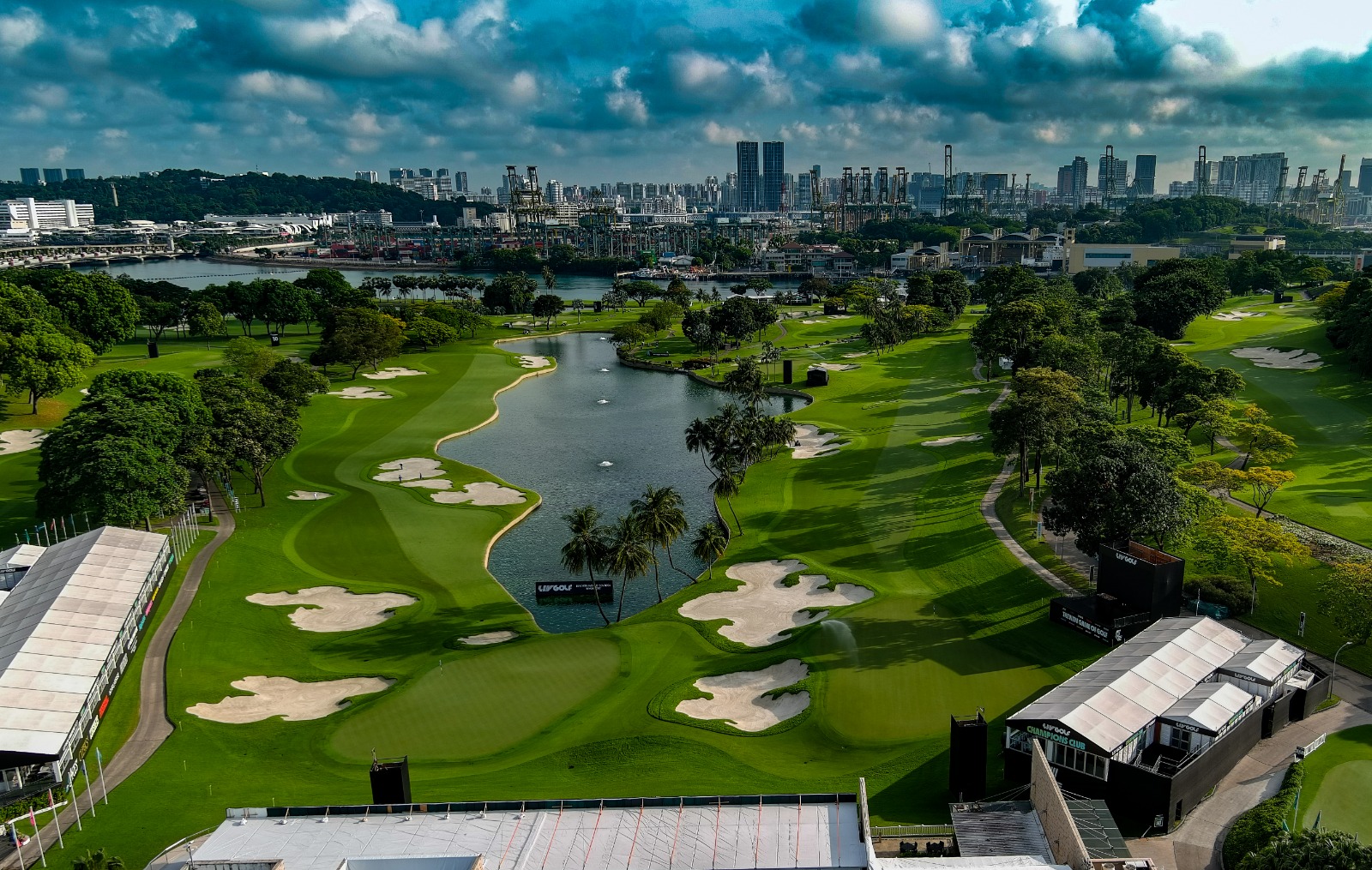
Hosting LIV Golf for four consecutive years speaks volumes about the club’s prestige. From your perspective, what impact has this had on the sport in Singapore and across the broader Asian region?
Hosting LIV Golf has been fun, it is part of a series of events we have hosted that put Singapore firmly on the global golfing map. LIV has showcased Sentosa’s world-class standards to millions of viewers worldwide and inspired a new generation of golfers in Asia. Importantly, it demonstrates that the region is ready to host marquee events with the same quality and excitement as the U.S. or Europe. For Singapore specifically, it has brought tourism, global attention, and pride, and it has strengthened Asia’s position as a growing hub for professional golf.
From an agronomy and course management perspective, are there any 'secrets' or best practices behind maintaining world-class playing conditions while staying environmentally responsible?
The “secret,” if there is one, lies in balance and innovation. We use precision agronomy, data-driven irrigation, soil monitoring, and targeted nutrient management, to ensure we’re never overusing resources. We’ve embraced hybrid turf species that thrive in our climate while requiring less water and inputs. And we’re constantly fine-tuning mowing patterns, aeration schedules, and cultural practices to achieve performance without excess. It’s about being proactive, not reactive, and always looking for smarter, greener ways to deliver tournament-quality conditions.
As someone leading Sentosa’s sustainability strategy, what advice would you offer to other golf clubs in Asia looking to transition toward greener operations?
Start small but start now. You don’t need to electrify your entire fleet on day one, but you can eliminate single-use plastics, adjust your irrigation practices, or begin biodiversity programs immediately. Partner with like-minded organizations, share knowledge openly, and set transparent goals. Sustainability isn’t a competition, it’s a collective responsibility. Every step, no matter how small, contributes to a much larger impact across the region.
Looking ahead, what are some of the key goals Sentosa Golf Club is setting for the next five years, in terms of environmental impact, innovation, and regional leadership?
Our next five years are about pushing boundaries. We want to become carbon neutral, continue reducing our reliance on fossil fuels, and further expand our renewable energy infrastructure. Innovation will be at the heart of this journey, from trailing next-generation turfgrass varieties to exploring AI and data-driven course management tools. Regionally, our goal is to inspire and support other clubs across Asia, serving as a blueprint for what’s possible when sustainability and excellence go hand in hand.
Outside of golf and agronomy, what are you personally most proud of? What continues to motivate you each day in both life and work?
I’m most proud of the people I’ve worked with and mentored over the years. Watching colleagues grow, take on leadership roles, and succeed in their careers is incredibly fulfilling. On a personal level, keeping grounded and motivated is key to being successful, reminding myself why I do what I do. What drives me every day is the idea of leaving things better than I found them, whether it’s a golf course, a team, or an industry.
How do you view the development and sustainability efforts of golf clubs across Asia compared to what we’re seeing at Sentosa? Are there any regional trends or promising models that stand out to you?
Asia is at a very exciting stage. We’re seeing more clubs recognize that sustainability isn’t just about compliance, but about competitiveness and global reputation. Countries like Japan, Korea, and Thailand are beginning to adopt more progressive practices, and there are promising models in Australia and the Middle East that emphasize water conservation and renewable energy. Sentosa has perhaps been a few steps ahead, but the momentum is real, and I believe Asia is on track to become a global leader in sustainable golf.
In your opinion, what is the current state of golf in Singapore, both in terms of local engagement and international recognition? Do you believe there’s still room for sport to grow here? If so, in what ways?
Golf in Singapore is strong, but it’s also evolving. Internationally, the country punches well above its weight, hosting marquee events and being home to some of Asia’s finest clubs. Locally, there’s growing interest among younger players, and initiatives to make the sport more accessible are starting to gain traction. I think the biggest growth opportunities lie in grassroots development, introducing the game to kids, schools, and families, and in leveraging technology, like simulators and apps, to make golf more engaging for modern lifestyles. Singapore may be small in size, but its potential to influence golf in Asia is enormous.
| Handicap: If you have a low handicap in my role, you’re playing too much golf and not working enough. Hobbies: Photography and Drone Photography Famous quote: “Nobody cares about the awards we won yesterday, we are measured by the experience we deliver today. So, wake up every morning and ask yourself, how can I earn my 5 stars today.” “The most rewarding things you do in life are often the ones that look like they cannot be done.” Arnold Palmer |
Other Articles




Read it now
-cr-290x396.jpg)