
Leading with Vision: DJ Flanders Reflects on Two Years as EVP of Troon International
Since taking on the role of Executive Vice President of Troon International in August 2023, DJ Flanders has been instrumental in driving growth across Europe, the Middle East, Asia, and Australia. In this exclusive interview, he shares insights on leadership, cultural adaptation, expansion strategy in emerging markets like Vietnam, and how Troon is shaping the future of golf management on a global scale.
Looking back on your first two years as Executive Vice President of Troon International, what achievements are you most proud of – both in terms of business growth and organizational culture?
I’m proud of our corporate team at Troon International for the steady support they provide across Europe, the Middle East and Australia. Their commitment and professionalism play a key role in helping our facilities succeed in diverse and often complex markets. With over 70 courses outside the Americas, we’re constantly navigating unique operational and cultural challenges, and I believe our team rises to meet those daily.

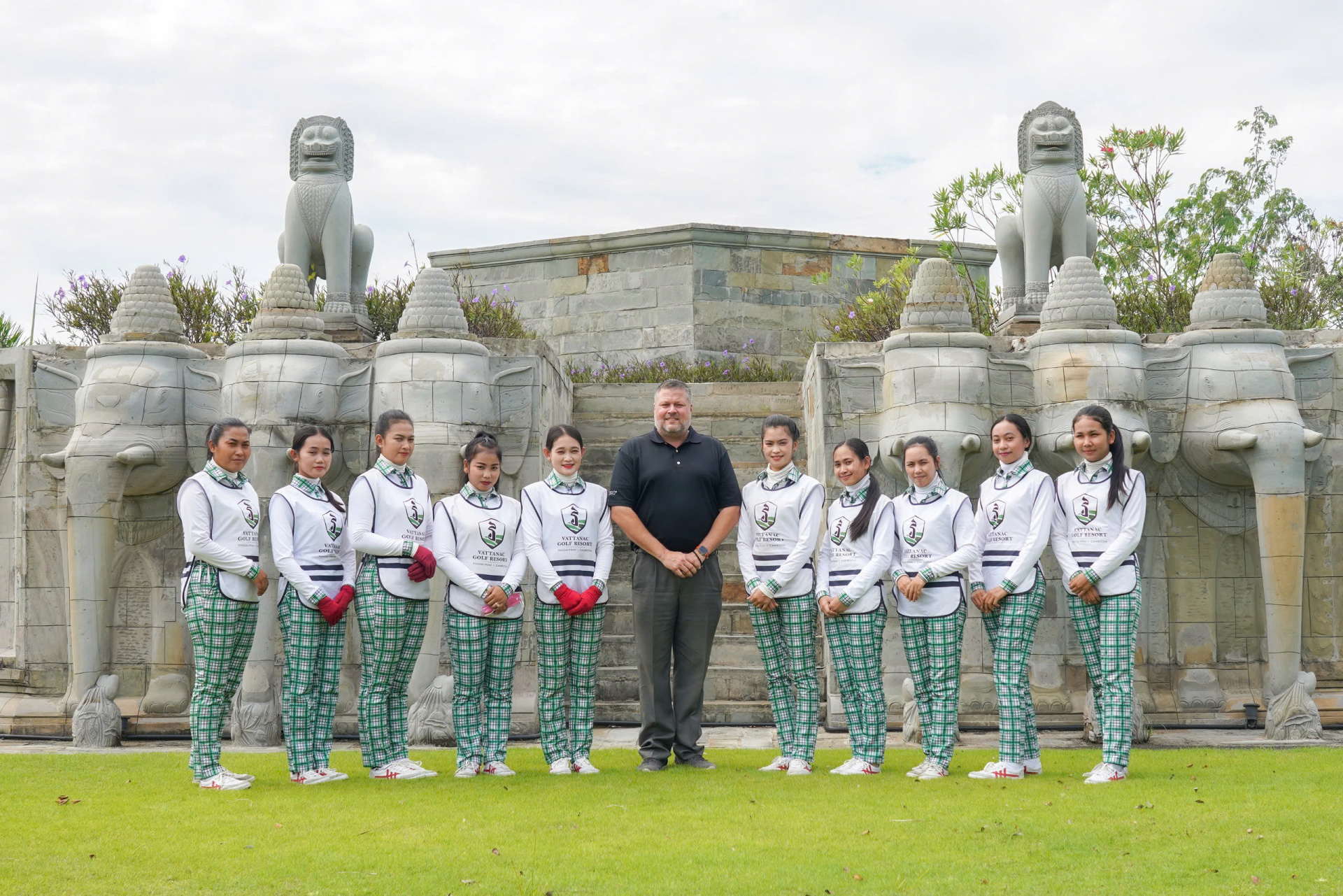
That said, our success ultimately comes from the teams on property who deliver for our clients every day. Many of our facilities in the Middle East and Asia posted double-digit growth over prior year in Q1, which is a strong reflection of their performance and consistency. We’ve also continued investing in talent, whether through programs like the Vattanac Golf Resort LEADer Program, adapted from our Troon LEADer framework, or through third-party benchmarking tools like 59Club, where several of our venues are scoring at podium levels and above industry averages. These results reflect our commitment to delivering great experiences for our members and guests, and creating value for our clients.
As someone leading a truly global portfolio, how has your leadership style evolved to adapt to diverse markets and operational models?
I’m a dedicated reader and have been especially drawn to Stoicism and Eastern philosophy over the past two years. These ideologies have helped shape my leadership approach—encouraging calm under pressure, active listening, and focusing energy on what I can control. At the same time, we’ve spent time looking at the generational shifts not only in those who play the game but in those who work in it. Understanding how different generations prefer to be led has helped me build more authentic and impactful relationships with our property leaders and key stakeholders across markets. It’s made my conversations more personal, more relevant, and ultimately more effective.
From a strategic perspective, what do you see as Troon’s biggest growth opportunities in the Asia-Pacific region over the next five years?
We’re focused on delivering results for our clients and are excited about the growth potential across the Asia-Pacific region. With more than 35 years of global experience—and a strong track record in Southeast Asia through our work in Malaysia and Cambodia—we’re well positioned to support owners and developers across a range of market types.
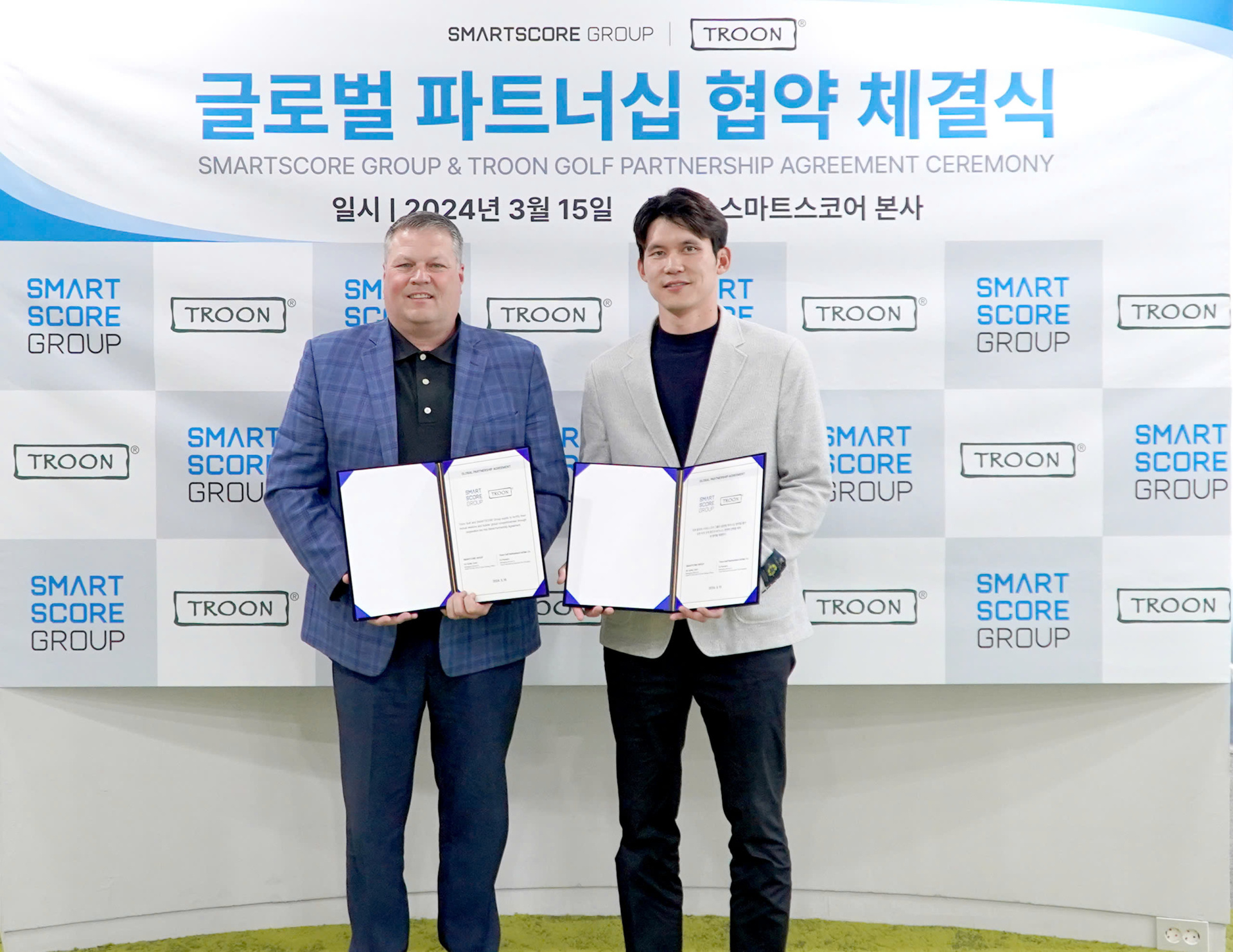
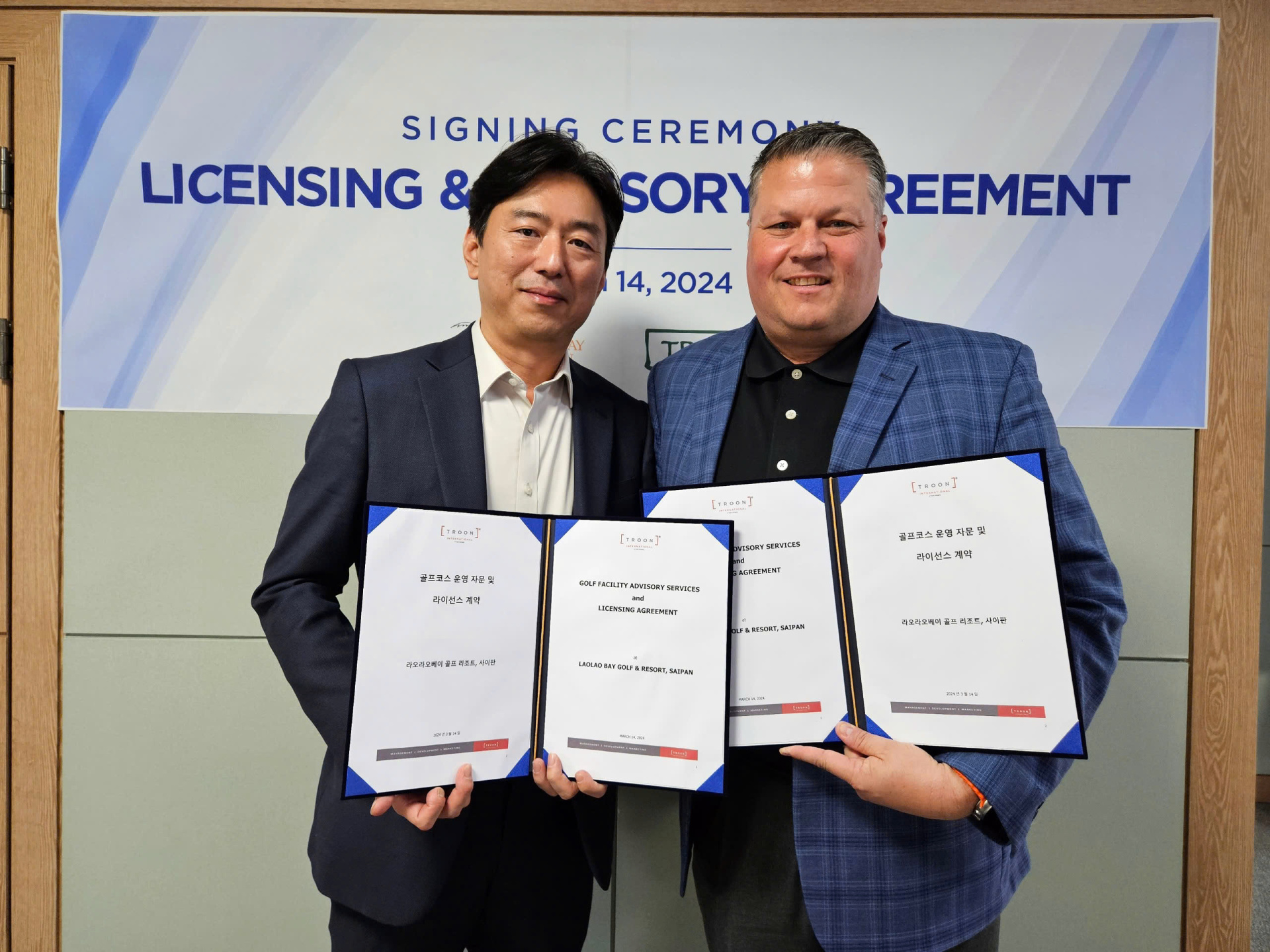
Over the past decade, our approach has evolved. What was once a more structured, one-size-fits-all model is now centered around the question: How can we help you? This flexibility is opening new doors, especially in South Korea and Australia—two markets where we’ve had a presence for decades and are now seeing renewed momentum. We see great opportunity in expanding our tailored, partnership-driven model across the broader region.
Focusing specifically on Vietnam – an emerging golf and tourism destination – do you have any particular direction or strategy in mind for expansion or collaboration in the near future?
We’re currently engaged in Vietnam on a confidential project and see strong potential to support more owners in what is a very active and promising golf market. Third-party management is still relatively new in Vietnam, and we believe our experience in over 30 countries positions us well to support this growth.
Hanoi and Ho Chi Minh City are two of my favorite cities to visit, and being in the country regularly has allowed us to build genuine relationships with local stakeholders. Golf is a relationship business, and that’s especially true in Vietnam. The opportunity to listen and learn from each other has been a key part of how we operate.
Our size and experience allow us to bring a level of structure, consistency and support that can be especially helpful in emerging golf markets. We’ve been in this business for over 35 years, and much of our success has come from working alongside owners and adapting to local needs, rather than applying a one-size-fits-all model. With long-standing relationships across the supply chain, proven training platforms and a focus on operational discipline, we offer a steady hand and a track record of delivering results.
Vietnam’s golf sector has clear ambition, and we share that forward-looking mindset. We’re not just looking to grow our footprint—we’re looking to build something together that is lasting and impactful, with like-minded partners who value quality, consistency and long-term success.
What criteria does Troon use when evaluating new markets or potential partners, especially in rapidly developing countries like Vietnam?
We value collaborative, transparent relationships—whether we’re working with a private owner, a developer, or a member-run club. Our focus is always on aligning with the client’s goals and exceeding expectations, and in most cases, we’ve been able to do just that.
When evaluating new markets or potential partners, it always begins with a conversation. We don’t go in with a fixed model—we listen first. If there’s a genuine interest in support, we tailor our services to match the club’s needs, whether that’s improving operations, enhancing guest experiences, or developing long-term strategy.
Having worked in more than 30 countries, we understand how to adapt to different ownership structures, cultural dynamics, and levels of market maturity. In rapidly developing countries like Vietnam, that flexibility and respect for local context is key. We're open to all markets—but only when the foundation is built on mutual respect, shared ambition, and a willingness to work together.
As player expectations continue to rise, how is Troon leveraging technology and data to deliver more personalized and elevated golf experiences across its international properties?
Our Troon Rewards program continues to grow and recently surpassed one million loyalty members—a major milestone that reflects our investment in understanding player behavior and preferences. That progress has been further supported by the addition of Jeff Ma as our Chief Digital Officer in early 2024, helping shape our data strategy and digital tools across the business.
Troon.com has been fully revamped, and behind the scenes, we’ve made significant investments in data infrastructure that both our corporate team and on-the-ground leaders can leverage. With a portfolio of over 900 properties, we’re in a strong position to spot trends early, pilot new solutions, and refine best practices across regions.
Technology and data help us tailor experiences more effectively, but every facility and market is unique. We take time to understand the goals of each owner and club, while also forecasting which global trends may influence local behavior. That combination of local insight and global perspective allows our teams to deliver more personalized, relevant, and competitive golf experiences—especially as the expectations of players continue to evolve across generations.
What would you consider the “next frontier” in golf hospitality and destination development – which trends do you believe will shape the future of the industry?
Vietnam is in a strong position, especially with the government’s forward-thinking approach to tourism and infrastructure. The success of Da Nang as a golf destination has set a benchmark, and we expect that momentum to carry into other regions as more investment and international attention come into play.
At the same time, I believe Japan is sitting on untapped potential. If the country chooses to actively pursue golf tourism, the impact could be significant—particularly with inbound travelers from Korea, the US, and beyond. The quality of golf, the culture, and the existing infrastructure are already there. I may be a bit biased having lived there, but the opportunity is real and exciting.
More broadly, the “next frontier” in golf hospitality will likely be shaped by integrated destinations—where golf, wellness, lifestyle, and family experiences are all thoughtfully combined. Today’s travelers are looking for more than just a round of golf—they’re seeking full, meaningful experiences. The clubs and destinations that can deliver on that in a genuine and flexible way will lead the way forward.
With sustainability now a business imperative, how is Troon International helping its clubs reduce environmental impact while still maintaining the highest service and course standards?
While every facility operates within its own regional or national environmental regulations, one of the advantages of being part of Troon International is having access to a broader global perspective. We’re able to share evolving best practices and highlight future-focused approaches being adopted in other parts of the world—often ahead of when local regulations may require them.
That said, we don’t view sustainability as simply a compliance issue. We believe in doing what’s right for the planet, regardless of what’s mandated. Whether it's improving irrigation efficiency, reducing chemical use, or exploring alternative turf varieties, our goal is to help clubs operate responsibly while still delivering the high standards of course conditioning and service that our members and guests expect. Long-term, we know that sustainability and quality can—and must—go hand in hand.
In your view, what role can golf play in supporting local communities and economies, particularly in emerging markets?
Sustainability, in our view, is a holistic concept—it’s not just about the environment. In emerging markets, golf can play a meaningful role in supporting local communities through job creation, tourism, and youth engagement. Whether it’s providing playing opportunities, employment, or training, growing the game at a grassroots level helps create a more inclusive and sustainable future.
Financial sustainability is just as critical. For golf clubs to have a lasting impact, they need to operate in a way that supports long-term viability. That means smart planning, responsible operations, and ensuring the facility is positioned as a valuable part of the local economy.
It’s also important to address perception. Golf has often carried an image of being elitist or harmful to the environment. We work closely with our clubs to help shift that narrative—highlighting the environmental benefits of well-managed golf courses and the positive role the sport can play in local communities. Honest communication with local stakeholders is key to building long-term trust and relevance.
With such a diverse international portfolio, how do you ensure a consistent brand identity and service culture across Troon properties worldwide?
Historically, our brand structure was limited to two key segments: Troon Golf, representing high-end daily fee and resort facilities, and Troon Privé, focused on private clubs. That approach limited us to serving only the top tier of the market. Over the past decade, we’ve expanded significantly and now offer nine distinct brands that allow us to support a much broader range of properties—from golf courses and HOAs to tennis and racquet clubs.
Each brand comes with clear criteria and expectations, which are agreed upon with ownership at the outset of the partnership. These standards help guide everything from agronomy and amenities to service levels and overall experience. Our teams conduct regular site visits to ensure brand standards are being met and that each facility delivers on the promise its brand represents.
While golf facilities are more diverse and less standardized than hotels, consistency in quality, service culture, and overall experience is critical—especially at the brand level. We want a guest visiting a Troon Golf facility in Dubai to feel the same level of quality and attention to detail as they would at a Troon Golf course in the U.S. or Southeast Asia. Every course has its own character, but the service culture and experience should consistently reflect the Troon standard.
What advice would you offer to Vietnamese clubs or developers who aspire to meet Troon’s standards and become part of the global network? What are the most important factors in building a world-class golf facility?
It’s important to note that not every facility we work with needs to be positioned as a world-class destination. We’re open to conversations of all types, and if we’re the right fit for a club or developer—regardless of size or stage—then we’re happy to explore how we can help.
That said, when the goal is to build a world-class facility, early involvement is key. Some of our most successful partnerships have started at the concept stage, where we can support owners through design, construction, and pre-opening planning. Having that guidance from day one helps ensure the development is delivered on time, on budget, and aligned with the owner’s long-term goals.
Our role during those early phases isn’t just about standards—it’s about helping owners make informed decisions that will influence long-term success. One key area we focus on is the clubhouse and F&B strategy. Not everyone plays golf, but everyone eats, so getting the F&B model right from the start is critical. A well-planned clubhouse and dining experience not only improves the guest journey, it creates an opportunity to diversify revenue and strengthen the business model beyond the course.
Whether it’s shaping the guest experience, advising on course layout, or building operational systems, being involved early gives us the best chance to help owners set a strong, sustainable foundation.
Looking ahead, what are your next strategic goals for Troon International? What excites you most about the road ahead?
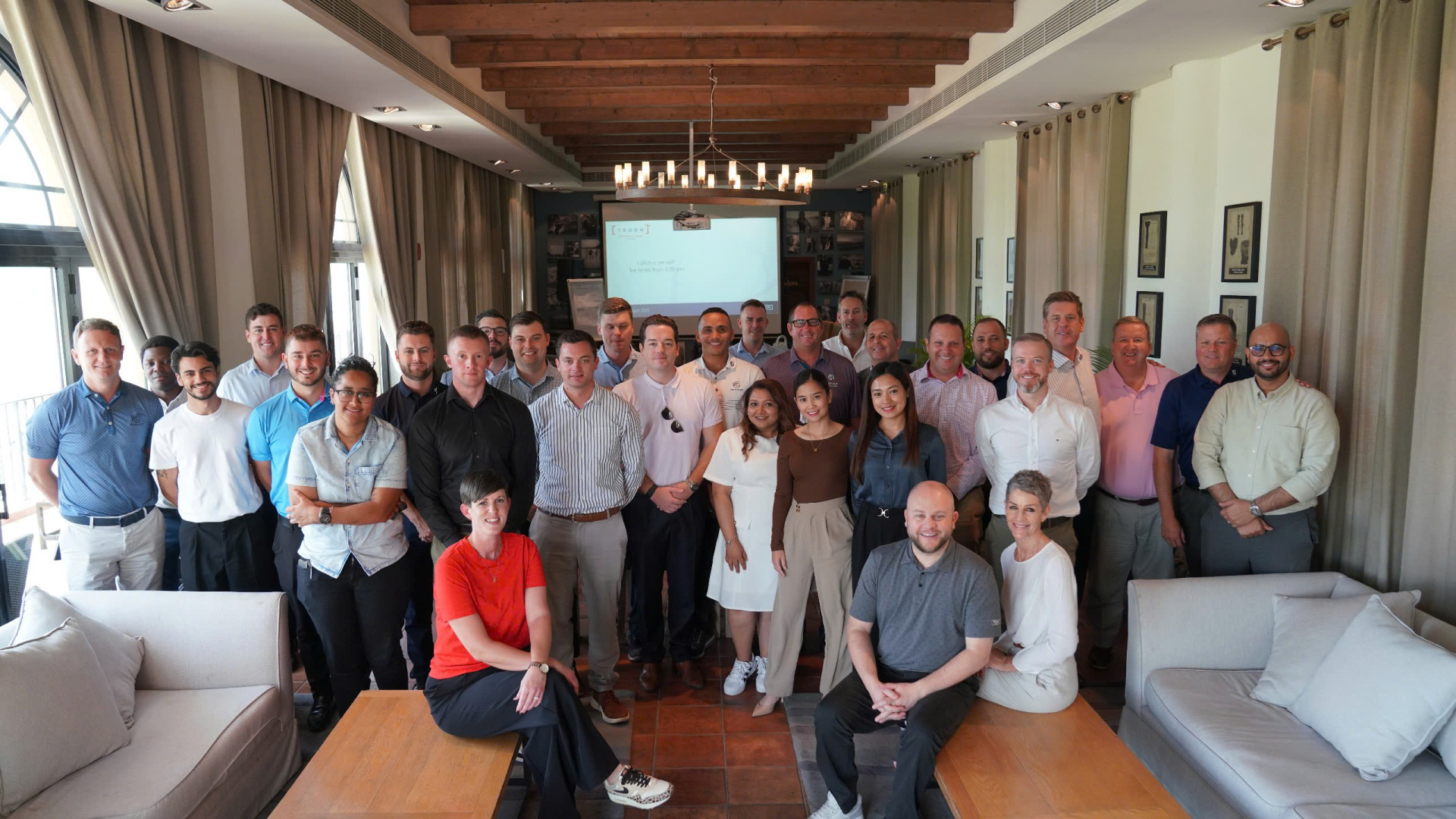
Personally, I’m looking forward to attending the Troon Global Leadership Conference in the US this November. It’s held every 18 months and has always been a week of meaningful learning and connection—something I continue to be passionate about.
Strategically, our focus remains on exceeding the goals of our owners and partners across all properties. We want to continue building long-term value and delivering consistent results in every region we operate. What excites me most is the potential to expand thoughtfully into new markets while strengthening relationships in the ones we’re already in.
From a people perspective, I stay committed to being the best leader I can be. That means having honest conversations, listening closely, and doing what I can to create opportunities for growth. The chance to help others progress in their careers—and to contribute to something larger than any one individual—continues to motivate me every day.
Source:
Doanh nghiệp/đối tác cung cấp
Other Articles



Read it now
-cr-290x396.jpg)
-cr-290x396.jpg)