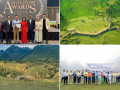

Shaping Golf Across Landscapes
Every great course is a response to its setting. Curley-Wagner Golf Design has built its reputation on understanding that truth.
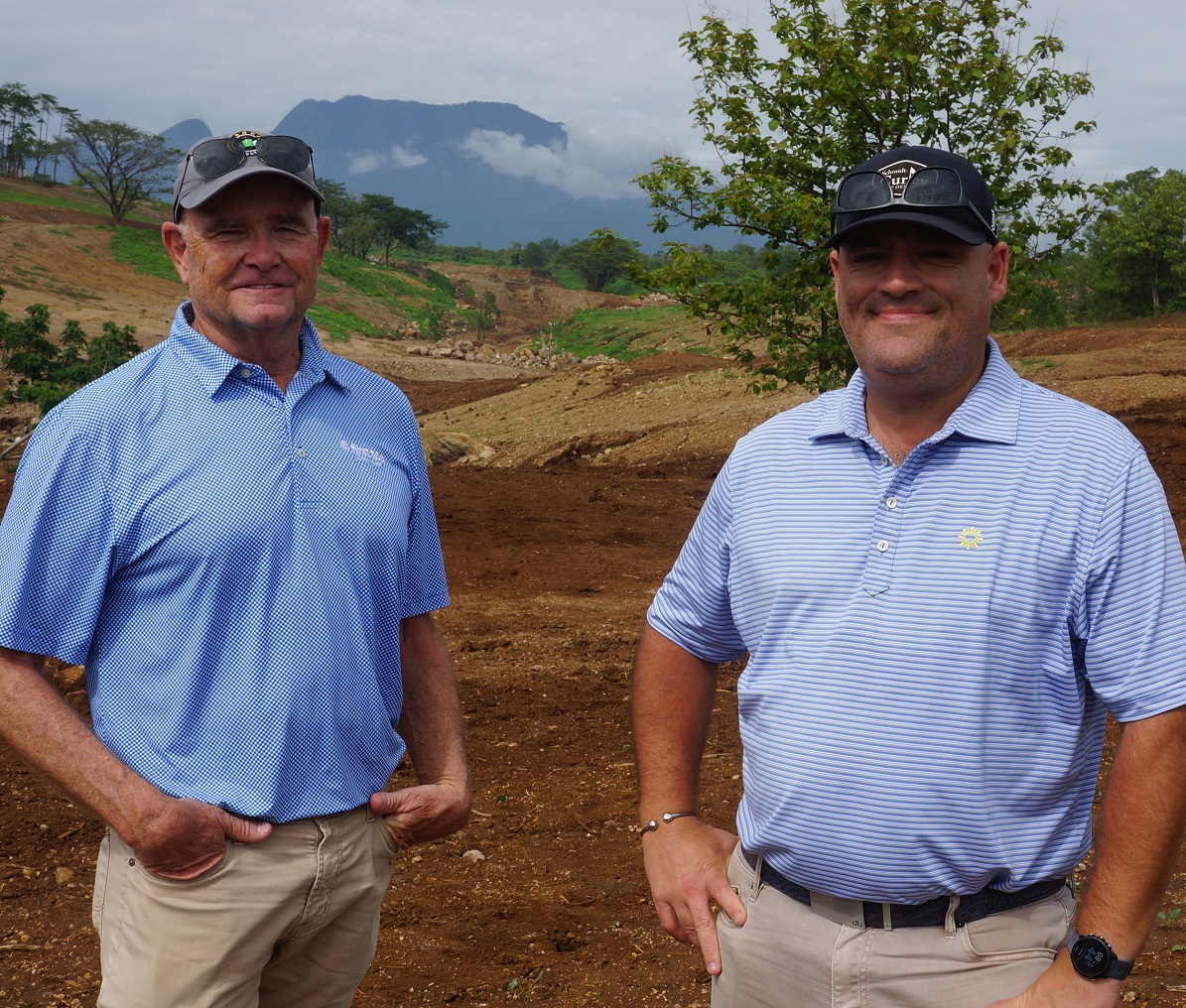
Global Practice Rooted in Landscape
With decades of experience across Asia, North America, and the Middle East, Curley-Wagner approaches each project as a unique landscape. The firm specializes in crafting challenging, beautiful, and enjoyable courses - often on complex or demanding sites. By balancing the principles of classic golf course architecture with modern technology and construction methods, Curley-Wagner creates courses that stir the soul and deepen a golfer’s appreciation for the land and the game. Equal emphasis is placed on intelligent routing, expressive yet playable green complexes, and long-term maintenance efficiency, ensuring that each course performs as well operationally as it does visually.
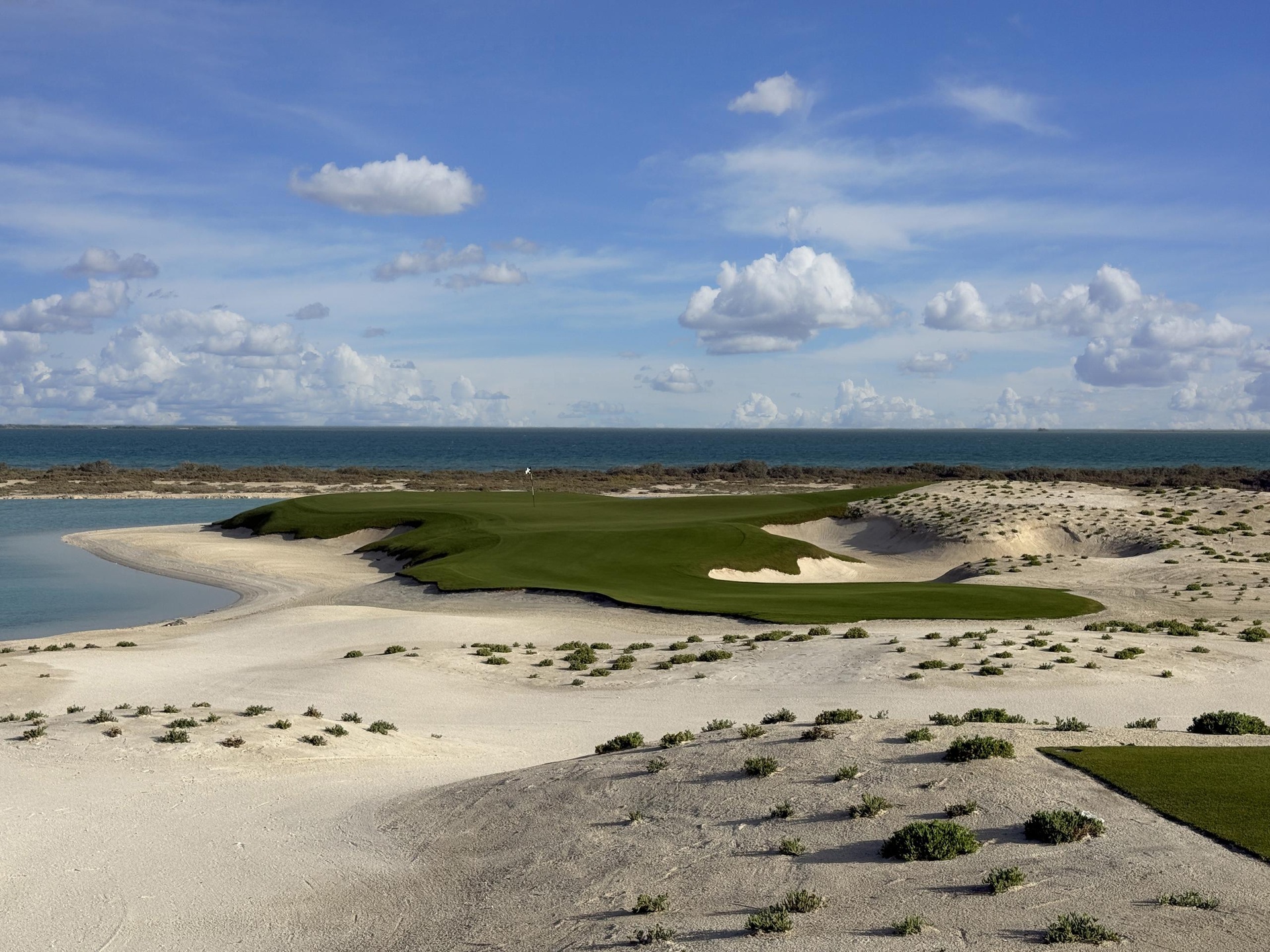
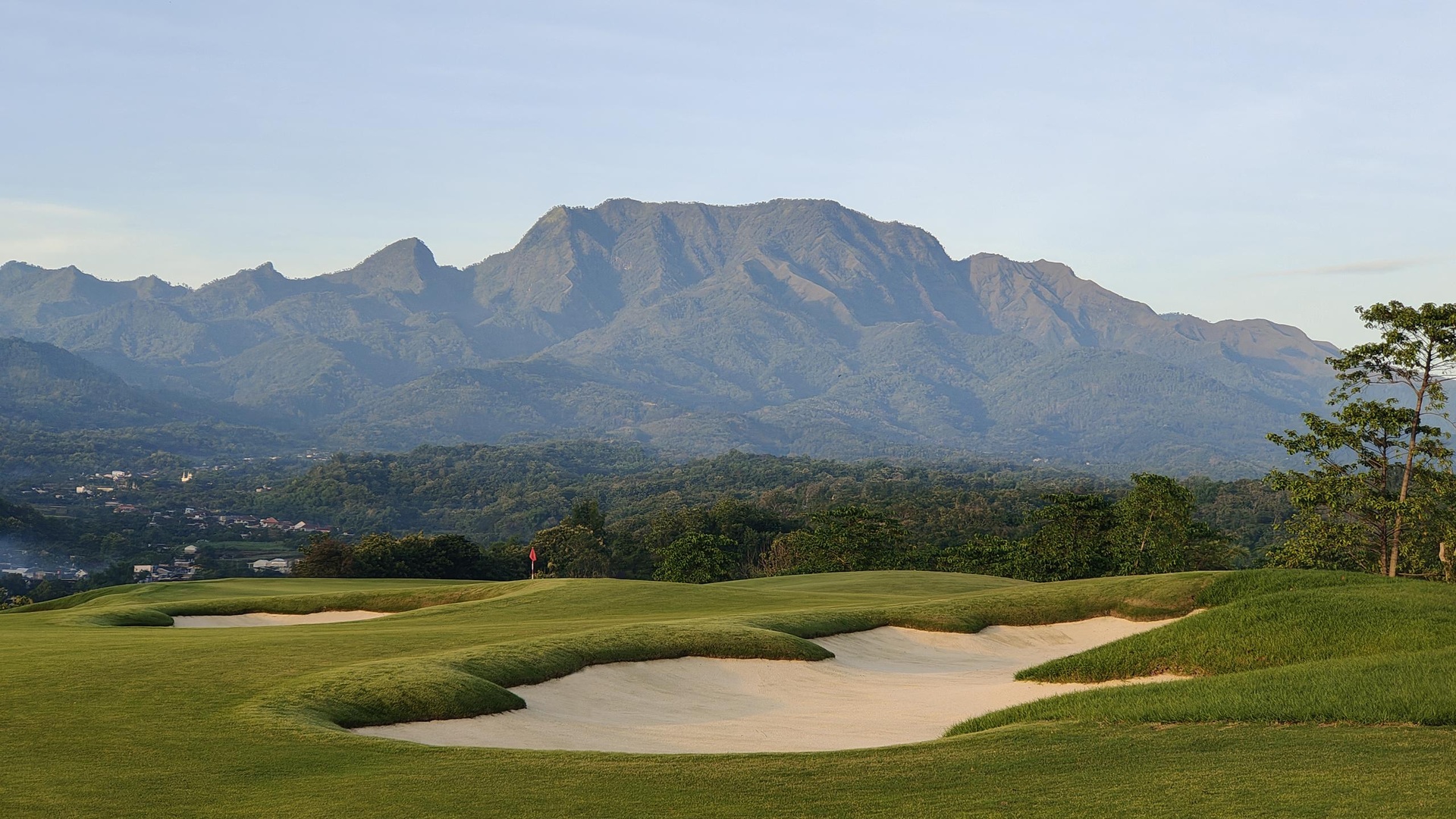
Curley-Wagner’s work in Vietnam and internationally reflects the firm’s expanding footprint across diverse environments. From coastal settings - such as Shura Links along Saudi Arabia’s Red Sea coast - to inland terrain and tropical climates, including Dhoho Surya Golf Course in Indonesia, each project responds directly to its setting. Sustainability is addressed through practical, site-specific decisions: selecting turf varieties suited to local climates, shaping playing surfaces to encourage natural water movement, and implementing drainage systems capable of performing during heavy tropical rainfall. The objective remains consistent - to create strategic golf that is visually compelling, environmentally responsive, and built for long-term playability.
Vietnam: A Defining Chapter
Vietnam has been central to this evolution. The sweeping coastal terrain at FLC Quy Nhon demanded bold routing decisions and sensitivity to prevailing winds. FLC Ha Long Bay introduced dramatic elevation and panoramic views, requiring careful integration of playability with topography. At FLC Quang Binh, expansive sandy corridors encouraged width and multiple strategic lines of approach, while Stone Valley presented a more intimate inland setting framed by limestone formations and dense vegetation.
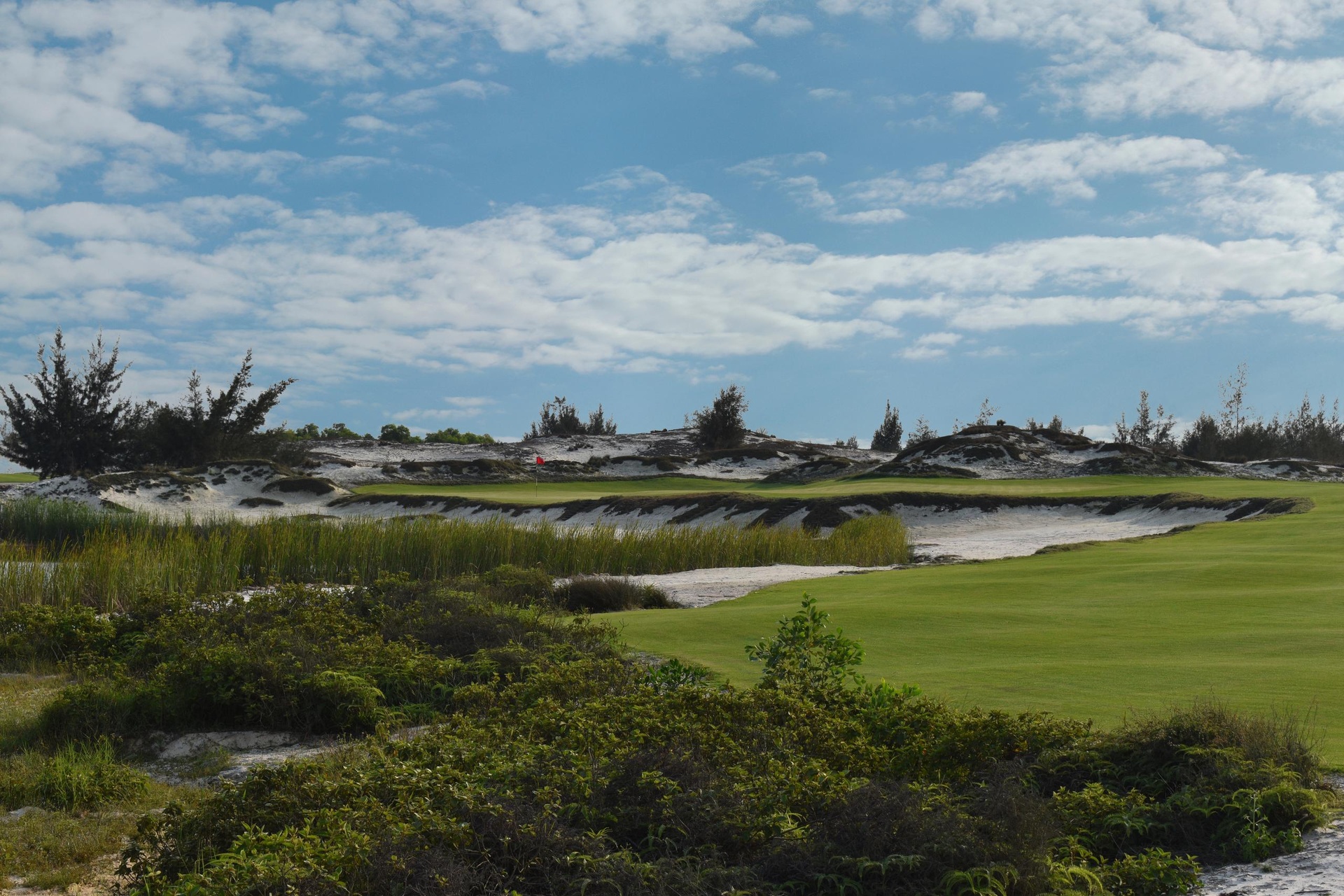
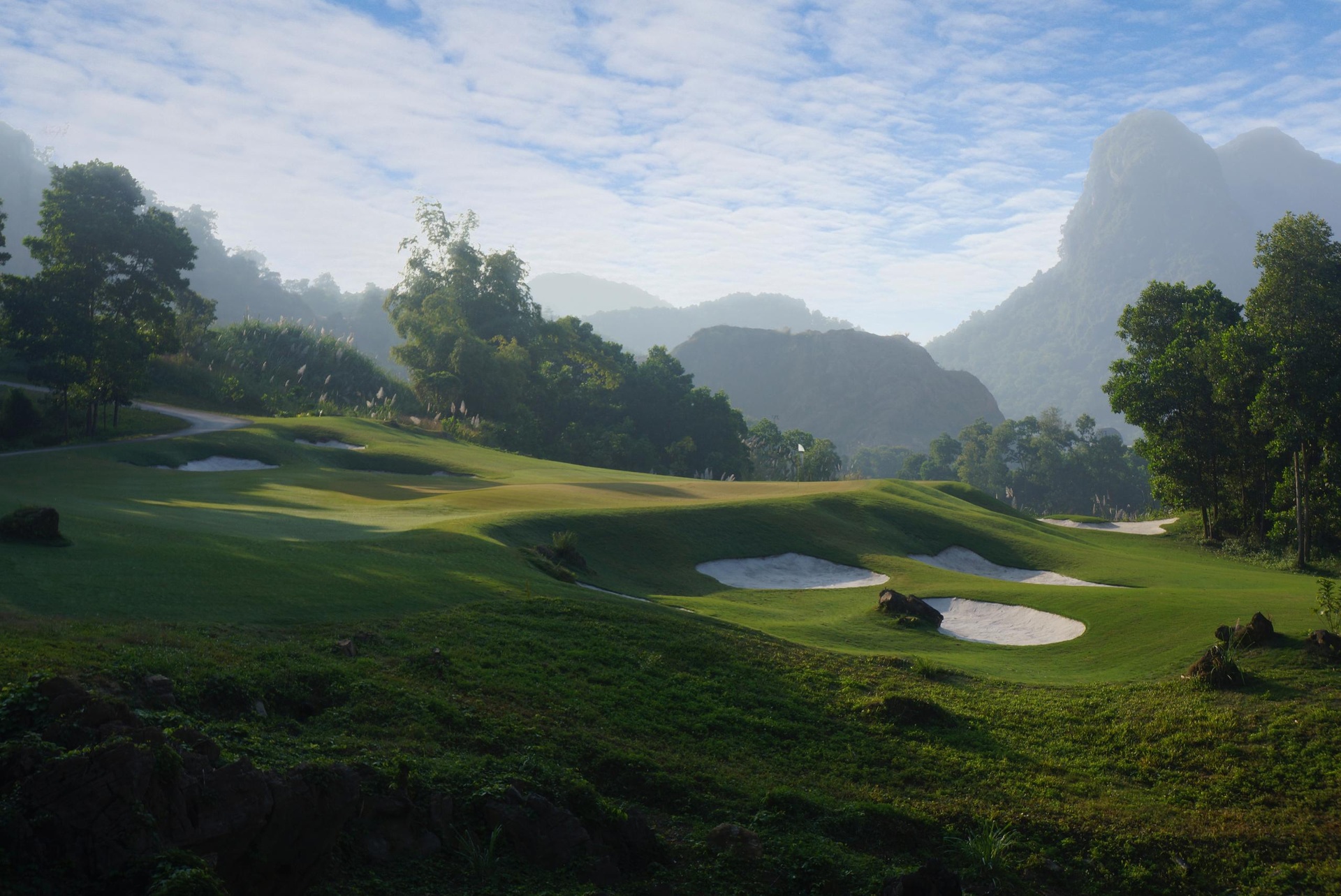
Across these varied landscapes, the guiding principle remains unchanged: architecture that responds directly to terrain, climate, and context. As Vietnam’s golf landscape continues to mature, Curley-Wagner Golf Design remains committed to creating courses designed to evolve gracefully - and endure.
Source:
Doanh nghiệp/đối tác cung cấp
Other Articles




Read it now
-cr-290x396.jpg)